The Film Park, located in the Teatinos neighborhood, is a unique and original destination in Malaga that brings to life the magic of the film world. With almost 10,000 square meters of area, this park offers a long film reel that takes visitors on an enchanting journey through Hollywood. This park combines a beautiful green setting with plenty of play opportunities for children, making it an ideal place for a family outing. Several play areas are named after famous movies, adding an extra touch of fantasy and adventure. The central play module is a giant book, equipped with slides, walkways and other play elements that stimulate children's imagination. There are also several attractions such as zip-lines, trampolines, a basketball court and balance zones that provide hours of fun. The park also offers plenty of seating for parents to relax while their children have fun in a safe and inspiring environment. The Movie Park at Teatinos is truly a hidden treasure for families in Malaga. It offers the perfect mix of relaxation and adventure, where children can play and explore in an environment that brings the magic of movies to life. Visiting this park is a great way to spend a day, full of fun and imagination.
Canyoning, derived from the word "canyon," is an adventure water sport that involves moving through a gorge using hiking, climbing, abseiling, jumping, swimming and sliding. This activity offers a unique way to explore beautiful and often remote natural areas that are otherwise difficult to access. Canyoning is also known as a "river walk. It is a great family activity suitable for anyone who can swim and is in good shape. During a canyoning adventure you will encounter beautiful waterfalls, rock walls, crystal clear water and sometimes even caves, making for an unforgettable nature experience. When practicing canyoning, safety is important. It is recommended that the first time you go out with a guide who is familiar with the canyon. Proper equipment is essential, including a helmet, wetsuit, special shoes and abseiling equipment. It is also important to keep an eye on weather conditions and use proper techniques. Just 20 minutes from Marbella, at the Guadalmina River in Benahavís, you will find a wonderful place for a canyoning adventure. The Guadalmina River offers a mix of hiking, swimming, jumping and possibly abseiling through narrow gorges, waterfalls and caves. The Benahavís River Walk, organized by Marbella Adventures, is suitable for beginners and costs €35 per person. The tour lasts about 3 hours and includes a guide, safety helmet, free water shoes, water, a snack and a wetsuit for children under 12. This adventure activity is suitable for children ages 8 and up and offers a great way to experience nature with the family in an exciting way.
Hidden at the foot of Mount Gibralfaro, the Alcazaba of Málaga welcomes visitors with its majestic presence. This palace fortress from the Islamic period is a labyrinth of history, waiting to be discovered. It is not only one of Málaga's most iconic sights, but also a fascinating fusion of cultures where Roman, Arab and Renaissance influences meet. The Alcazaba was erected between 1057 and 1063 by order of the Berber king of Granada, Badis, and used materials taken from the nearby Roman theater. Later, in 1279, it became part of the Nazarite kingdom and transformed into a magnificent Arab palace. This palace was characterized by its courtyards and gardens, and rooms that exhibited a play of light and shadow typical of Granadian architecture. However, the Alcazaba was not only a palace, but also served as a military fortress with walls, towers and defenses, making it one of the most important Islamic structures in Spain. The complex also included a walled corridor called La Coracha, connecting it to the Gibralfaro Castle. At the heart of the Alcazaba is the Plaza de Armas, once the stage for artillery, now a breathtaking Arab-style courtyard. The Puerta de los Arcos is another notable feature, a gate marking the entrance to this historic treasure. Today, the Alcazaba of Málaga is not only a place of beauty, but also a witness to Spain's rich history and cultural diversity, a must-see for any visitor to the city.
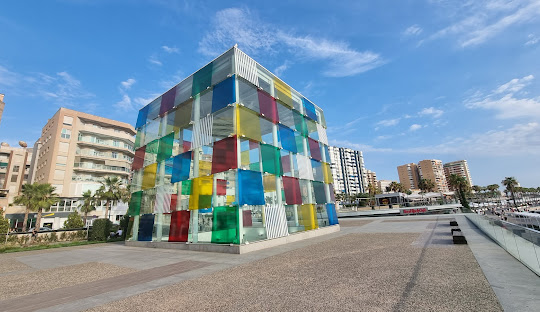
Located near Malaga's lively port, the Centre Pompidou Malaga stands out with its colorful architecture, known locally as "El Cubo" for its striking cube-shaped structure. Inspired by its famous Parisian counterpart, this modern art center serves as a cultural beacon in Malaga, exhibiting a diverse array of modern art. "El Cubo" has quickly become a must-visit for art lovers and families, combining the charm of Malaga with the cutting-edge artistic innovation of the Centre National d'Art et de Culture Georges Pompidou in Paris. Within its colorful walls, visitors can explore an array of influential works of art spanning different genres and eras. Some notable pieces at the Centre Pompidou Malaga include "The Frame" by Frida Kahlo, which captures her vibrant expressionist style, and "The Flower Hat" by local painter Pablo Ruiz Picasso, which highlights the local connection to this global art icon. In addition, the museum includes Francis Bacon's intense "Self-Portrait" and Alberto Giacometti's sculptural masterpiece "Standing Woman," each contributing to the diverse artistic narrative presented. Buy your admission tickets here.
Been there myself:
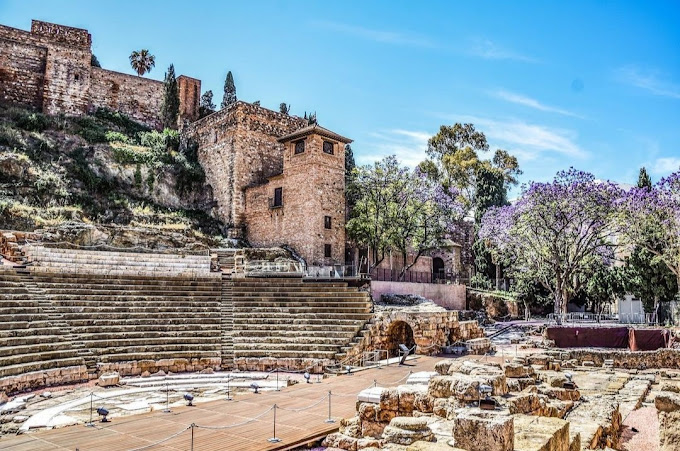
At the foot of the imposing Alcazaba in Malaga, stands the Roman theater, a historical treasure that testifies to the city's rich history. Built during the reign of Emperor Augustus in the first century BC, this theater is one of the oldest surviving monuments in Malaga. After being covered up for centuries, it was only rediscovered in the 1950s during urban renewal work. The theater has stood the test of time remarkably well and offers a fascinating insight into the cultural and social dynamics of ancient Roman Malaga. Visitors can view the remains of the semicircular stands where spectators once gathered to attend theatrical performances. Next to the theater is a modern interpretation center, an addition that enriches the historical experience. This center uses the latest technologies to take visitors on an interactive journey through the past. Here one can dive deeper into the daily life and customs of Roman times, complete with multimedia displays that bring the past to life. The combination of the well-preserved theater and the state-of-the-art interpretation center makes this a not-to-be-missed destination for history buffs and curious travelers alike, who get a unique insight into Malaga's ancient Roman heritage. Book tickets for a guided tour of Alcazaba and the Roman theater here. Or here if you want a private tour.
Been there myself:
The Cathedral of Malaga, officially known as the Cathedral of the Incarnation, is an architectural masterpiece that proudly overlooks the Plaza del Obispo. This impressive shrine was built in the 16th century by the Catholic Kings on the foundations of a former Spanish-Muslim mosque. Today, the cathedral is known to Malaga residents as "La Manquita," meaning "the one-armed lady," a nickname that refers to the fact that one of its two towers was never completed. The Cathedral of Malaga is a magnificent example of Spanish Renaissance-Baroque architecture. The interior of the cathedral is as impressive as the exterior, with richly decorated chapels and a strikingly beautiful main altar. Detailed carved ceilings and beautiful stained glass windows add to the serene and spiritual atmosphere within the walls of this historic landmark. A visit to this cathedral offers a glimpse not only of Malaga's rich history, but also of the artistic and cultural developments the city has undergone over the centuries. For art lovers and history enthusiasts alike, the Cathedral of the Incarnation is a fascinating destination that offers a deeper insight into Malaga's past and cultural soul.